


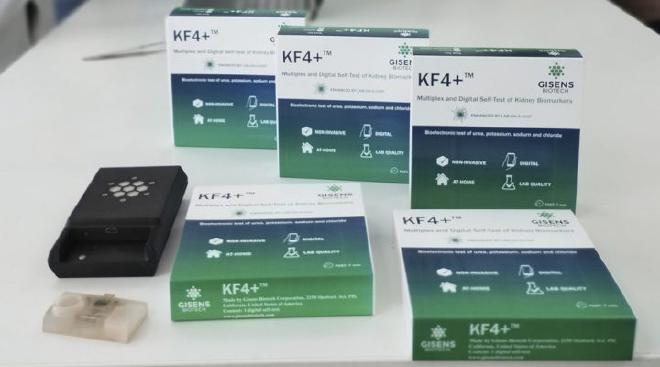
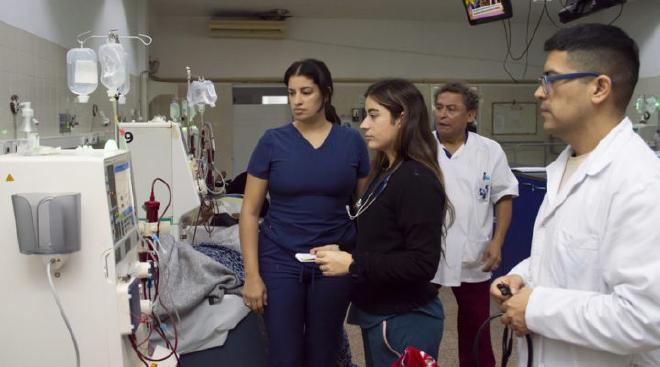
Por medio de un estudio comparativo realizado en el Servicio de Nefrología del Hospital Interzonal General de Agudos (HIGA) “General San Martín” de La Plata, quedó demostrado que el nuevo test, desarrollado por científicos del Instituto de Investigaciones Fisicoquímicas Teóricas y Aplicadas (INIFTA, CONICET-UNLP) y la empresa tecnológica Gisens Biotech, ofrece múltiples ventajas y abre las puertas para posicionar a la región a la vanguardia de los tratamientos para esta patología.
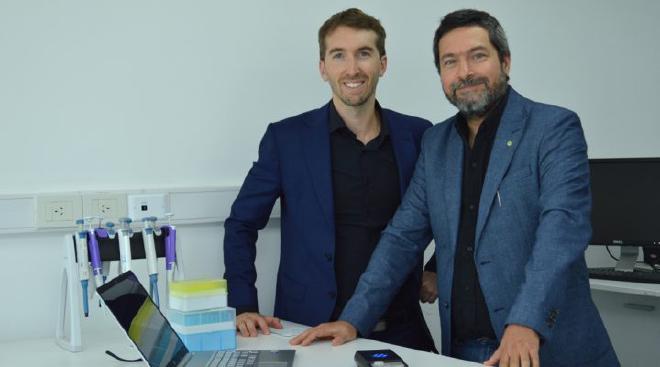
“Interesados en la investigación y el desarrollo de biosensores rápidos y portátiles, vimos en esta patología un importante problema de salud pública hacia el que podíamos orientar nuestro trabajo”, señalaron Esteban Piccinini y Omar Azzaroni, investigadores del CONICET en el INIFTA y responsables científicos del proyecto. Fue en ese camino que, a medida que avanzaban en el desarrollo del dispositivo junto con la empresa mencionada, se contactaron con el hospital y comenzaron a delinear el estudio clínico que finalmente llevarían adelante con los casi 70 pacientes que se realizan diálisis en ese centro de salud.
Terapias de reemplazo renal #
Apenas un pinchazo #
En este punto entró en escena el novedoso test digital que aportaría, de mínima, el beneficio de ser poco invasivo ya que utiliza sangre capilar –una gotita que puede tomarse de una punción en la yema de un dedo– en lugar de venosa, que requiere una extracción tradicional; portátil y de fácil uso, permitiendo la medición en pacientes que viven lejos de los centros urbanos; y de estar diseñado para que los pacientes se puedan autotestear en sus propias casas obteniendo resultados en apenas siete minutos.
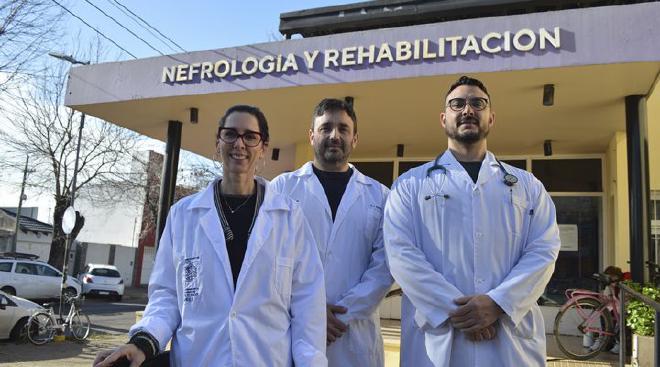
Como jefa del servicio médico, Silvina Maltas destacó la innovación tecnológica y la posibilidad de acercar la investigación a la medicina asistencial como “los principales aspectos de este proyecto que captaron nuestra atención para decidir formar parte de él, considerando que en las instituciones como un hospital público la capacidad de hacer investigación siempre se ve superada por la necesidad de atender los casos que llegan, y entonces este trabajo es una manera de achicar esa distancia”. Entonces, la totalidad de los pacientes que se someten a ambos tipos de diálisis aceptaron proveer muestras durante seis meses para ser monitoreados periódicamente tanto por el laboratorio del nosocomio como por el kit de diagnóstico portátil y poder comparar los métodos.
Muy exitoso #
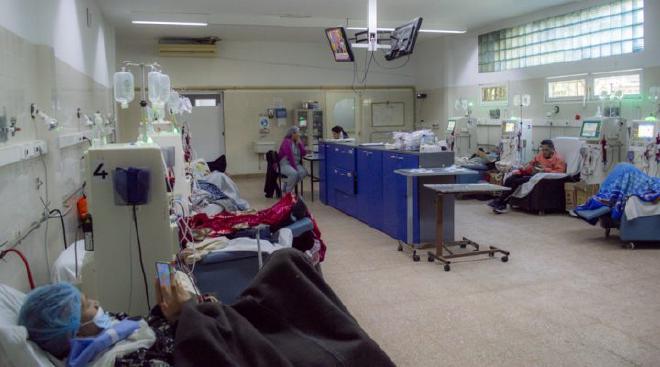
Respecto al nivel de dolor producido por cada tipo de extracción de sangre, situaron al test rápido en 1.7 en una escala del 1 al 5, mientras que el estudio tradicional se ubicó en 4.2 puntos, muy cerca del máximo. Por otro lado, casi un 80 por ciento coincidió en que contar con un dispositivo para usar en su hogar les daría la oportunidad de monitorear su salud en cualquier momento en que se sientan mal o noten cambios en su estado. “Esto es algo que les da más tranquilidad pero que también influye indirectamente en su esperanza de vida, ya que permitiría detectar cualquier anomalía a tiempo, antes de que la persona llegue descompensada a un centro de salud”, detalló Piccinini.
Según estimaciones del proyecto, la fabricación del dispositivo costaría menos del 2 por ciento de lo que vale un analizador de laboratorio, y solo se comprarían los kits descartables para tomar las muestras, que podrían tener un valor similar al de las tiras reactivas que utilizan los pacientes diabéticos para medir la glucosa. De la lista de ventajas reportadas, el equipo científico no dudó en destacar a la menos tangible de todas: el impacto en la mejora de la calidad de vida.
Cita #
- Integrantes del estudio clínico: Dr. Martín Mamberti (Director Médico del estudio), Dra. Silvina Maltas (Jefa de Servicio de Nefrología), Dr. Agustín Ferrigno (Jefatura Nefrología), Dra. María Elena Bruzzone (Jefatura Nefrología), Dra. Carolina Barabani (coordinadora del programa de diálisis peritoneal), Dra. Lucía Dall Aglio, Dr. Maximiliano Malinar, Dra. Mayte Fuentes, Dra. Cecilia Benítez, Dra. Cintia Mora, Dra. Denis Norma, Dr. Javier Reyes, Dra. Noelia Lafuente, Dr. Roger Quintanilla Mamani, Bibiana Pizarro (Jefa laboratorio Central), Susana Cattáneo, Vanina Dolcini, Dr. Waldemar Marmisolle, Dr. Ezequiel Giménez, Lic. Joaquín Diforti, Nicolás Martiarena, Sofía Sánchez Caro, Dr. Omar Azzaroni, Dr. Esteban Piccinini (Director Científico del estudio).
Financiación #
El proyecto recibió aportes económicos de Gisens Biotech, FITBA 2025- 124B, ANPCYT (PICT 2018-04684), CONICET-UNLP-GISENS BIOTECH (700-2845/20-000).
- El artículo Cruzando la línea del laboratorio: científicos del CONICET mostraron la eficacia de un test digital en un ensayo clínico, con la firma de Mercedes Benialgo, fue publicado en el sitio web del CONICET
Contacto [Notaspampeanas](mailto: notaspampeanas@gmail.com)