


Imagen de David Correa Franco en PexelsImagen de David Correa Franco (https://www.pexels.com/es-es/@2151118671/ en Pexels)
Investigadores de la Universidad Estatal de Washington han identificado ahora la primera vía de señalización conocida que provoca que componentes internos de las células formen paredes exteriores, además de descubrir las rutas únicas de la ‘carga’ densa en energía transportada dentro de las paredes — un descubrimiento que sugiere posibilidades para diseñar paredes celulares que aumenten la nutrición o produzcan biocombustibles.
Los hallazgos, publicados en la revista Science Advances, también revelan nuevas perspectivas sobre cómo la vida vegetal evolucionó y sostuvo la civilización humana.
Las paredes celulares son vitales para la formación de toda la vida vegetal en la Tierra. Dan a las células su forma y estructura. Contienen toda la nutrición de los alimentos vegetales que consumimos, así como los materiales necesarios para producir biocombustibles.
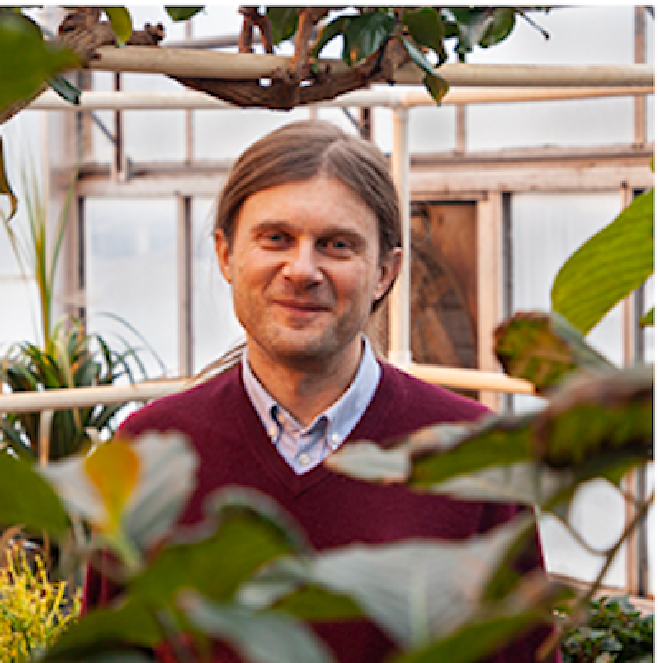
“Si miras por la ventana, todo lo que no es hecho por el hombre y que sobresale del suelo viene de la placa de la celda”, dijo Smertenko. “La placa celular es un Big Bang de la naturaleza vegetal, porque permite a las plantas crear todas las formas y figuras sofisticadas que vemos a nuestro alrededor”.
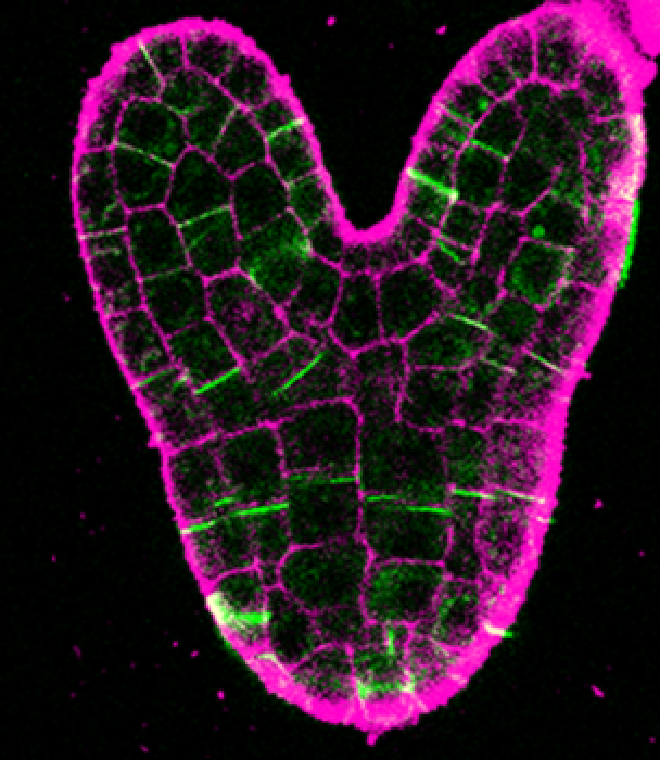
Utilizando una combinación de edición génica e imagen de células vivas, los investigadores identificaron un módulo de señalización previamente no caracterizado en la célula, compuesto por dos proteínas implicadas en la señalización celular: la quinasa similar al receptor meristemo de inflorescencia 2, IMK2 e IMK3. El módulo IMK2-IMK3 promueve varias funciones que conducen a la creación de una pared celular.
El módulo IMK2-IMK3 es como un centro de comunicaciones para este proceso complejo. El descubrimiento de Smertenko sienta las bases para continuar investigando el proceso de señalización y la regulación de la creación de la pared celular.
Entre los coautores de la publicación se encuentran Tetyana Smertenko, investigadora postdoctoral; la asistente científica Deirdre Fahy; y el investigador asociado Glenn Turner. El trabajo fue financiado, en parte, por la National Science Foundation de Estados Unidos.
En el hemisferio norte, con la llegada de la primavera, los resultados de los procesos celulares que Smertenko ha estado explorando aparecen por doquier uno mire.
“Ahora mismo, tenemos nuevas hojas emergiendo de los capullos. Los brotes contienen todas las células necesarias para formar la hoja, producidas a través de estos múltiples miles de millones de placas celulares sintetizadas secuencialmente, incluso antes de que notes que se abre el brote”, dijo el investigador. “Desde mi punto de vista, es un proceso precioso: miles de millones de células comportándose exactamente de la manera correcta para producir hojas para cada planta”, concluyó Smertenko.
Cita #
- El artículo The Big Bang of plant life: Discovery sheds light on how cells form walls, firmado por Shawn Vestal, WSU News & Media Relations fue publicado en la sección de noticias de la Universidad Estatal de Washington (WSU) news website
Contacto [Notaspampeanas](mailto: notaspampeanas@gmail.com)