


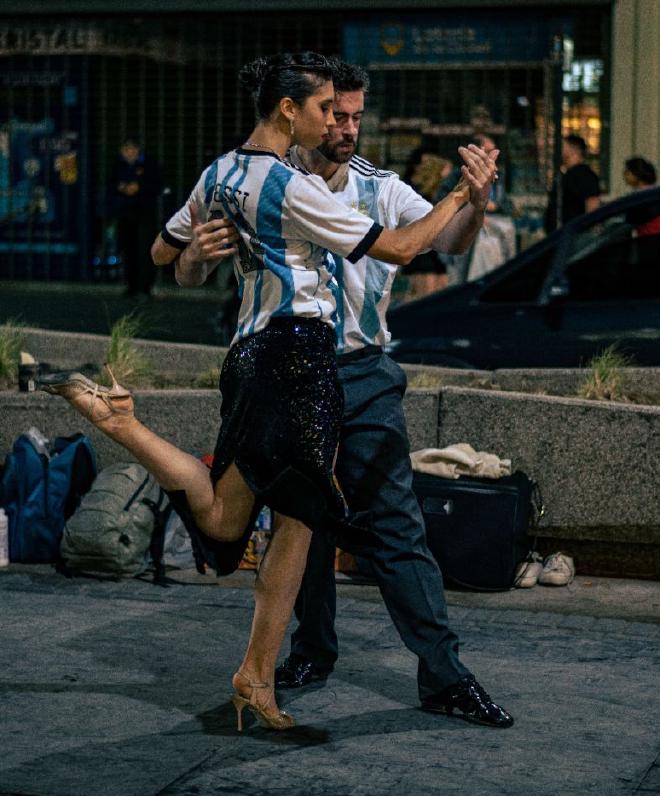
The Tourism Secretariat highlighted this event, which has been running for three years and has grown significantly since the creation of the La Pampa Tango Association. “This activity promotes culture and creates another tourist attraction for our province,” stated Tourism Secretary Saúl Echeveste at a meeting held to raise awareness of this non-profit initiative.
“We especially appreciate that this is a space where neighbors come together to listen to music, dance, and chat. This gives us great satisfaction, and we are pleased to support them from the Provincial Government. It’s part of the tourist circuit we offer to all visitors,” Echeveste concluded.
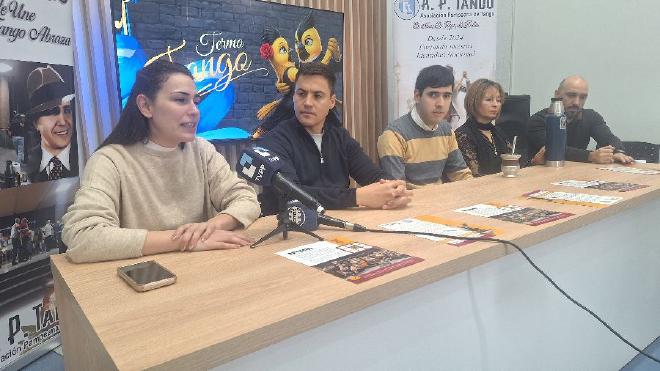
Symbolic Space #
Meanwhile, the president of the La Pampa Tango Association, Camilo Gatica, explained that the activity is open to everyone and no dance experience is necessary to participate. Furthermore, participation is free and open to the public. “The National University of La Pampa provides us with a privileged space for the gathering. Since it’s covered, the activity isn’t canceled due to rain. Now, during the winter, we’ll be meeting between 5 and 7 p.m.,” he added. The show also travels throughout the interior of La Pampa, because tango “isn’t exclusive to Buenos Aires or Santa Rosa; it belongs to the entire province.” That’s why Termo Tango has already visited Uriburu, Bernasconi, Luan Toro, and Guatraché, for example.
Meanwhile, Paula Corral emphasized that the National University of La Pampa (UNLPam) provides a symbolic venue for this truly special festival. “Tango is for everyone, just like the University. That fills us with pride and emotion,” she noted. And added, for those with no dance experience, the event itself fosters spontaneous teaching. More experienced dancers guide the beginners.
Finally, regarding the idea of combining tango with mate, which seems more closely associated with folklore, Gatica clarified that “tango was originated in rural areas, and many lyrics speak of the countryside. Calling it urban music leads to misunderstandings and associations with Buenos Aires, Rosario, and the port. But it is folk music.”
Contact [Notaspampeanas](mailto: notaspampeanas@gmail.com)