
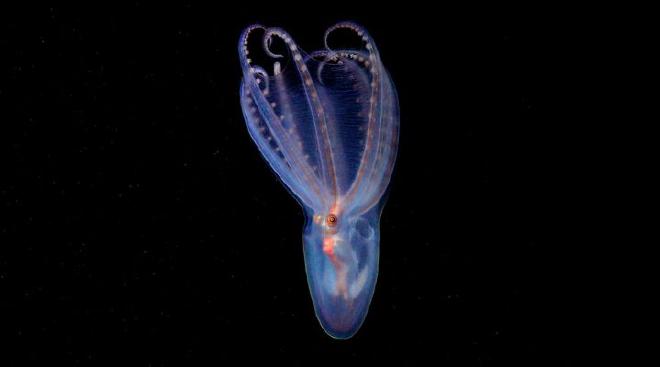
Tras el enorme impacto de la expedición Talud Continental IV: Oasis Submarinos del Cañón Mar del Plata que emocionó a millones de personas a través del streaming, científicos del CONICET que integran el Grupo de Estudios del Mar Profundo de Argentina (GEMPA) volverán a explorar el océano profundo durante una nueva campaña científica internacional a bordo del buque Falkor (too), en colaboración con el Schmidt Ocean Institute (EE.UU.).
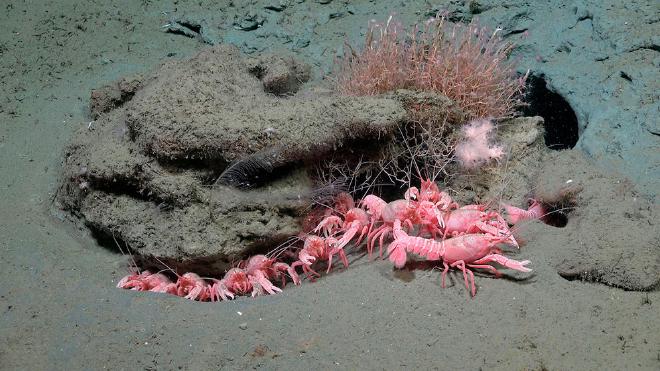
“Para nosotros es una alegría enorme poder volver a trabajar en aguas profundas de nuestro país. Esta campaña se llama Talud continental V y eso tiene que ver con que es la continuación de un plan de trabajo que inició allá por el 2011, cuando Pablo Penchaszadeh y Mariano Martínez pusieron el foco en el cañón Mar del Plata. Poder ir a trabajar a un área nueva e inexplorada maximiza la probabilidad de encontrar especies nuevas para la ciencia, que es uno de los grandes objetivos de la campaña”, afirmó Daniel Lauretta, investigador del CONICET en el Museo Argentino de Ciencias Naturales “Bernardino Rivadavia” (MACNBR, CONICET) y jefe científico de las campañas Talud Continental IV y V.
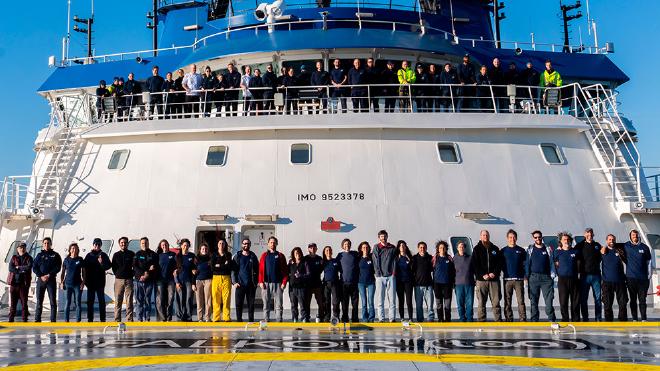
“Además de la emoción científica por descubrir nuevos ambientes y especies, también sentimos una gran motivación por seguir construyendo capacidades en el país, fortaleciendo equipos de trabajo interdisciplinarios y generando información que pueda ser útil para la conservación y el manejo del Mar Argentino”, agregó Martín Brogger, investigador del CONICET en el Instituto de Biología de Organismos Marinos (IBIOMAR, CENPAT, CONICET).
Talud Continental IV: un hito en la exploración marina argentina #
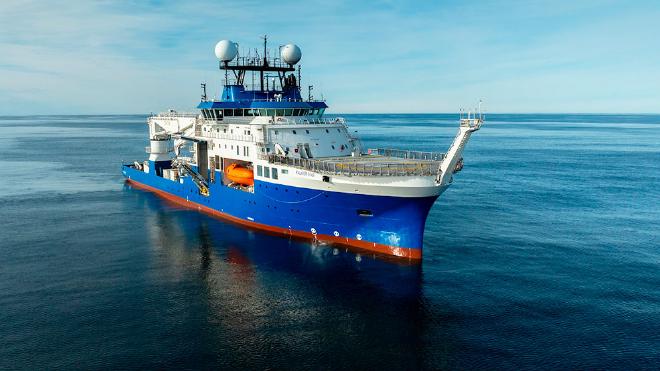
Entre el 23 de julio y el 11 de agosto de 2025, una expedición liderada por científicos del CONICET exploró el océano profundo en el cañón submarino Mar del Plata -una región de alta biodiversidad y poco explorada del Atlántico Sur- a bordo del Falkor (too). Durante esta expedición se utilizó por primera vez en la región un vehículo operado remotamente (ROV), lo que permitió capturar imágenes del fondo marino en ultra alta definición de hasta casi 4 mil metros de profundidad y recolectar muestras sin alterar el entorno.
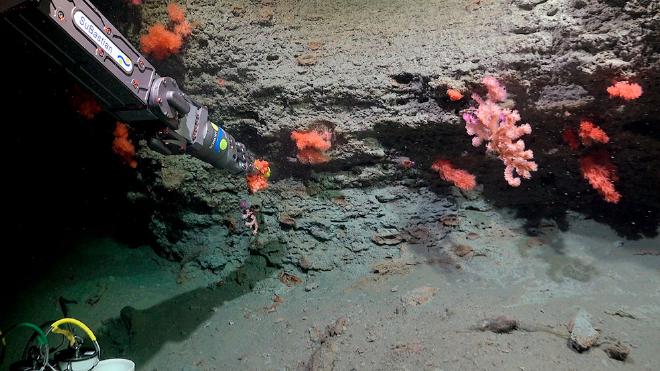
En el marco de esta histórica campaña se documentaron arrecifes de corales de aguas frías, extensos campos de corales blandos y una biodiversidad extraordinaria, incluyendo más de 40 especies potencialmente nuevas para la ciencia.
“Nuestros objetivos científicos para Talud Continental IV eran ambiciosos: queríamos aprovechar la tecnología del Falkor (too) para hacer una gran expedición. También sabíamos que las imágenes del fondo marino iban a ser impactantes y que eso representaba una oportunidad única para comunicar lo que hacemos. Claro que nunca imaginamos que la transmisión podía tener semejante repercusión. La sorpresa genuina ante cada ambiente o animal que descubríamos fue compartida con miles de personas, especialmente con los más chicos. Recibir tanto interés por el océano profundo y su fauna fue algo muy lindo que vamos a recordar durante toda nuestra carrera como investigadores”, comentó Ignacio Chiesa, investigador del CONICET en el Centro Austral de Investigaciones Científicas (CADIC, CONICET).
Para Brogger, se trató de una experiencia muy movilizadora: “Muchas veces la exploración científica ocurre lejos de la sociedad, especialmente cuando hablamos de ambientes tan remotos como el océano profundo. Ver a millones de personas siguiendo en vivo las inmersiones, haciendo preguntas, emocionándose con los hallazgos y siendo parte de alguna manera de la expedición fue muy importante para todo el equipo. También mostró que existe un enorme interés por la ciencia y por el océano cuando la información se comparte de manera abierta y accesible. Para nosotros fue una confirmación de que la comunicación pública y la ciencia abierta tienen que ser parte central de este tipo de expediciones”, expresó el científico.
Talud V: avanzar hacia nuevas fronteras #
Sobre esta base, Talud Continental V se propone avanzar hacia una nueva región del margen continental argentino, para ampliar el conocimiento sobre los ecosistemas profundos, de acuerdo con una línea de investigación sostenida durante más de una década sobre el estudio de la fauna del mar profundo. Uno de los objetivos centrales será explorar profundidades superiores a los 4 mil metros, ampliando el rango de observación alcanzado en campañas anteriores y accediendo a ambientes aún no estudiados en Argentina.
El equipo multidisciplinario de GEMPA, integrado por investigadores de distintas instituciones del país, abordará: biodiversidad de fondos profundos (invertebrados y peces); arrecifes de corales de aguas frías y hábitats vulnerables; ADN ambiental (eDNA) y conectividad biológica; procesos oceanográficos y dinámica de sedimentos e impacto humano en ambientes remotos, incluyendo microplásticos
El equipo argentino #
El grupo estará conformado por 19 científicos de instituciones argentinas, en su mayoría del CONICET, incluyendo el Museo Argentino de Ciencias Naturales “Bernardino Rivadavia” (MACN, CONICET) el Instituto de Biología de Organismos Marinos (IBIOMAR, CONICET), el Instituto de Investigaciones Marinas y Costeras (IIMyC, CONICET- UNMDP), el Instituto de Biodiversidad y Biología Experimental y Aplicada (IBBEA, UBA-CONICET), el Centro Austral de Investigaciones Científicas (CADIC, CONICET) y el Instituto de Diversidad y Ecología Animal (IDEA, CONICET-UNC*). También forman parte investigadores de las Universidades Nacionales de Buenos Aires, Córdoba, La Plata y Mar del Plata y la Prefectura Naval Argentina.
Estudiar el mar profundo #
La realización de esta nueva expedición consolida el rol del CONICET en la exploración del océano profundo y fortalece el desarrollo de investigaciones sobre biodiversidad y ecosistemas marinos vulnerables. Talud Continental V representa una oportunidad para continuar descubriendo la biodiversidad del Mar Argentino, generar información clave para su conservación y reforzar el vínculo entre la ciencia y la sociedad.
“El océano profundo es uno de los ambientes menos explorados del planeta, y en Argentina todavía conocemos muy poco sobre gran parte de la biodiversidad que habita estos ecosistemas. Estudiar las profundidades del mar permite comprender cómo funcionan estos ambientes, qué especies viven allí, cómo se conectan con otros ecosistemas y qué rol cumplen en procesos globales como el ciclo del carbono o la regulación climática”, afirmó Brogger.
Tecnología, ciencia abierta y participación #
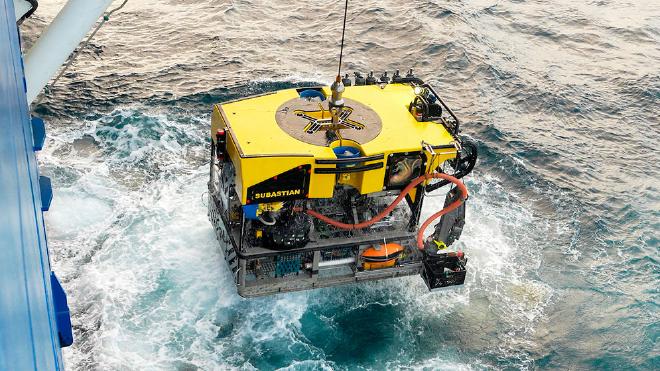
La expedición contará nuevamente con el uso del ROV SuBastian, capaz de explorar grandes profundidades con cámaras de alta definición y sistemas de muestreo de precisión. Al igual que en la campaña anterior, la misión incluirá transmisiones en vivo de las inmersiones; abiertas al público, actividades educativas en tiempo real con escuelas de todo el país, generación de contenidos para divulgación científica y educación y publicación abierta de datos en repositorios nacionales e internacionales.
“Estas campañas permiten combinar capacidades tecnológicas muy avanzadas con el conocimiento científico y la experiencia de los equipos argentinos. Además, generan oportunidades de formación, cooperación internacional y desarrollo de nuevas líneas de investigación para investigadores e investigadoras del país. Este tipo de alianzas demuestra la importancia de la cooperación científica internacional para avanzar en el conocimiento y conservación de los océanos”, afirmaron los científicos.
“Estamos muy emocionados por poder volver a compartir con la gente la diversidad de la fauna profunda que habita nuestro país, y estamos pensando en cómo mejorar la comunicación respecto a lo que hicimos en la campaña pasada para llegar a la mayor cantidad de gente posible”, concluyó Lauretta.
- Texto e imágenes crédito del CONICET y los investigadores.
Contacto [Notaspampeanas](mailto: notaspampeanas@gmail.com)