


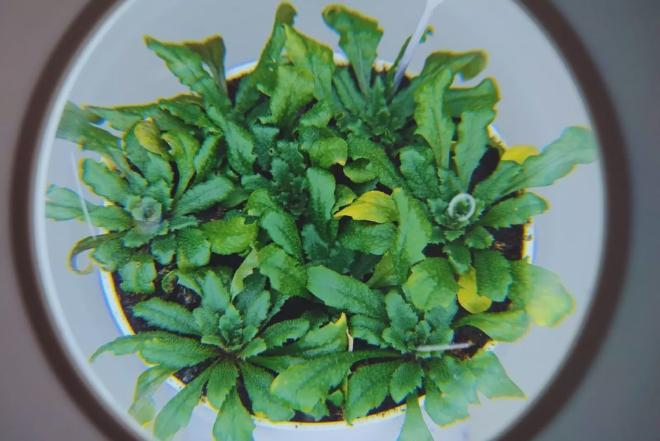
Aunque carecen de células especializadas de un sistema inmunitario y no producen anticuerpos como los animales, las plantas cuentan con sofisticados mecanismos de defensa frente a patógenos. Un equipo de investigación de la Unidad de Estudios Agropecuarios, con sede en el INTA-CIAP, identificó la resistencia sistémica, un proceso mediante el cual, tras detectar un patógeno, el organismo vegetal no solo responde localmente, sino que envía señales al resto de sus tejidos que no han experimentado la infección. El trabajo fue recientemente publicado en la revista científica Plant Communications y aporta nuevos elementos para entender los mecanismos moleculares involucrados en estas respuestas.
Según Damián Cambiagno —investigador responsable del trabajo—, se trata de un fenómeno que está estrechamente vinculado con lo que se conoce como memoria inmunitaria vegetal, que es la capacidad de las plantas de “recordar” encuentros previos con patógenos y responder de manera más rápida y eficiente ante nuevas infecciones. “Comprender cómo se generan y regulan estos procesos resulta clave tanto desde el punto de vista científico como para el desarrollo de herramientas aplicadas en la agricultura”, indicó.
Uno de los hallazgos centrales del estudio es el rol de los microARNs (miRNAs). En este sentido, Cambiagno explicó que “son pequeñas moléculas de ARN que regulan la expresión génica. Estas moléculas, además de actuar en las células donde se originan, pueden desplazarse entre células, funcionando como mensajeros que sincronizan respuestas defensivas a distancia”.
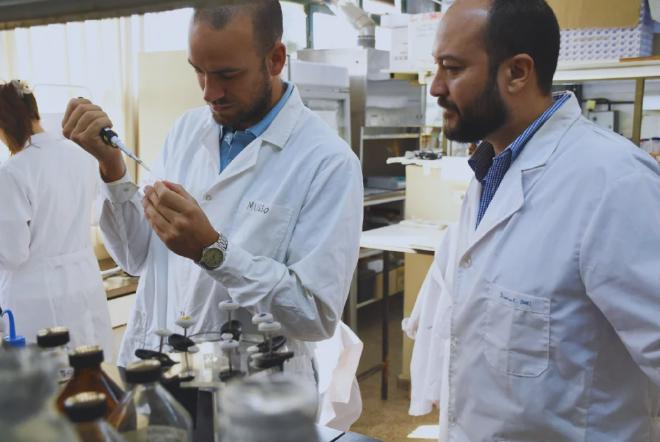
El estudio, dirigido por Cambiagno y con Manuel Musso como primer autor, contó además con la participación de los estudiantes Nahir Alanie, Luciano Quevedo y la colaboración de Alejandra Trenchi, Nicolás M. Cecchini y Hernán Ramiro Lascano.
Los resultados aportan evidencia concreta sobre cómo se generan y se propagan algunas de las señales responsables de la memoria inmunitaria en plantas, sumando una pieza relevante al conocimiento en este campo.
En la actualidad, existen herramientas biotecnológicas —como los bioinoculantes— que buscan inducir o potenciar estos mecanismos naturales de defensa. En ese sentido, profundizar en la comprensión de los procesos moleculares involucrados podría contribuir a optimizar estas estrategias y mejorar la sanidad y productividad de los cultivos.
Cita #
-
El trabajo HASTY-dependent miRNA cell-to-cell movement is required for systemic pathogen resistance in Arabidopsis está disponible en el repositorio digital del INTA.
-
El estudio HASTY-dependent miRNA cell-to-cell movement is required for systemic pathogen resistance in Arabidopsis fue publicado en Plant Communications. (April 2026). Autores: Musso, Manuel; Alanie, Nahir; Quevedo, Luciano; Trenchi, Alejandra; Cecchini, Nicolás Miguel; Lascano, Hernán Ramiro; Cambiagno, Damián Alejandro
Contacto [Notaspampeanas](mailto: notaspampeanas@gmail.com)