


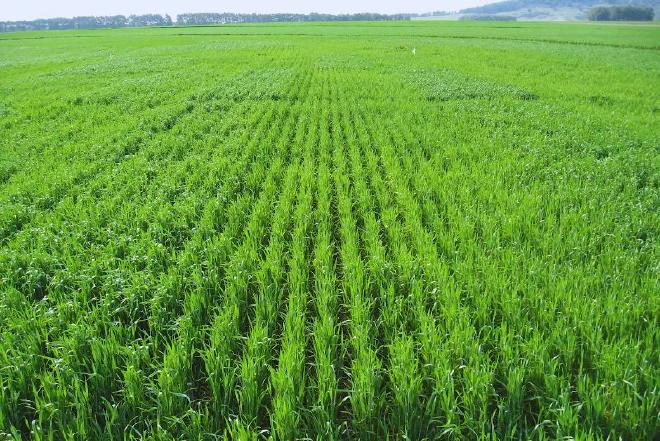
Uno de los puntos críticos está en la eficiencia en el uso de los nutrientes, especialmente del nitrógeno, un elemento central para alcanzar mejores rindes y calidad en los cultivos, explicó Sainz Rozas.
En el caso del azufre, las respuestas productivas se ubican entre 120 y 240 kilos de grano por kilo aplicado, mientras que para zinc se registran incrementos de entre 300 y 600 kilos por hectárea cuando los niveles en el suelo son inferiores a 1 ppm (partes por millón) y se aplican dosis de entre 0,5 y 1 kilo por hectárea.
Además, consideró que la fertilización balanceada es una de las herramientas centrales para maximizar la productividad y optimizar el uso de los recursos. Por eso, destacan la importancia de realizar análisis de suelo y monitoreos que permitan ajustar las recomendaciones según cada ambiente productivo.
En tal sentido, Sainz Rozas señaló que el monitoreo durante el ciclo del cultivo mediante sensores de vegetación o imágenes satelitales resulta especialmente importante para nutrientes móviles como el nitrógeno, cuya disponibilidad y la demanda del cultivo cambia a lo largo de la campaña.
El costo productivo de la compactación #
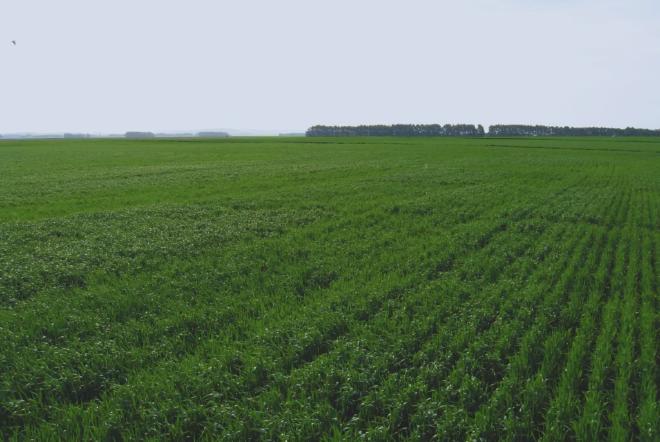
Más allá de la nutrición, el INTA pone el foco sobre otro problema que avanza silenciosamente: la degradación física de los suelos. “Si el suelo está compactado, las lluvias no se infiltran adecuadamente y los fertilizantes no pueden ser aprovechados por los cultivos”, advirtió el especialista.
Para el técnico, sostener la productividad exige pensar los sistemas de manera integral. La reposición de nutrientes y el ajuste fino de la fertilización deben complementarse con estrategias orientadas a recuperar la salud del suelo. Entre ellas, se destacan la intensificación de las rotaciones para aumentar el retorno de carbono y el uso de labranzas estratégicas para revertir la compactación.
Deficiencias de nutrientes #
Las líneas de trabajo actuales del INTA también incluyen el diagnóstico de deficiencias de nutrientes que históricamente no eran considerados limitantes, como potasio, calcio o boro, además de estrategias de encalado para mitigar la acidificación y el uso de cultivos de cobertura.
“El objetivo es generar información y tecnologías adaptadas a cada región para avanzar hacia una agricultura más sustentable, con mayores niveles de productividad y un uso más eficiente de los recursos”, concluyó.
Contacto [Notaspampeanas](mailto: notaspampeanas@gmail.com)