


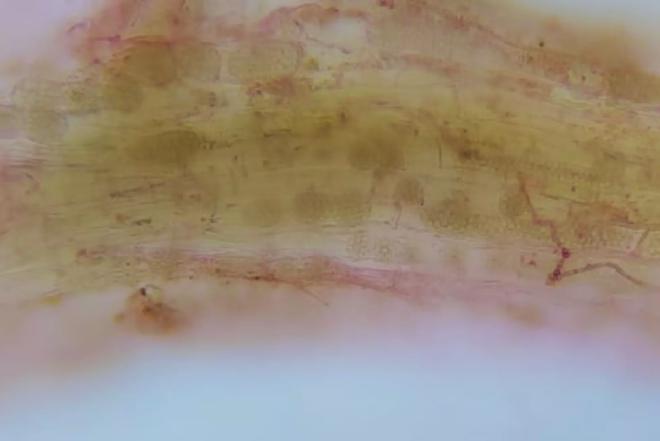
A research team – made up of specialists from INTA’s Institute of Plant Pathology, the CONICET, the National University of the Northeast and research centers in France – identified and characterized for the first time in Argentina the rice necrotic mosaic virus (RNMV), reported only in Asia. The finding was confirmed by metagenomics and high-precision sequencing techniques, from samples collected in Corrientes province. This is the first record of the virus outside Japan and expands the health scenario of the crop. In addition, it raises the need to continue monitoring and diagnosis in rice systems.
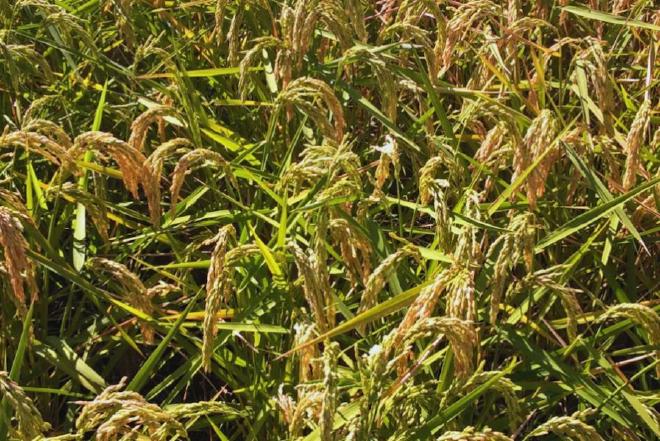
The work was based on the analysis of rice plants (Oryza sativa) with symptoms compatible with viral infections, collected in 2018 in Berón de Astrada, province of Corrientes. Using a viral metagenomics approach, the researchers detected the presence of MVRN in only one of the samples analyzed.
Comparative analyses showed a high genetic similarity between this isolation and MVRN variants previously characterized in Japan. In turn, phylogenetic studies confirmed that it is the same virus, which constitutes the first record outside the Asian continent.
MVRN belongs to a group of viruses that are transmitted by the soil fungus, Polymyxa graminis, which can persist for long periods in rice fields. This characteristic makes the disease difficult to manage and reinforces the importance of early detection.
“The incorporation of this virus into the regional scenario makes it necessary to strengthen monitoring and diagnostic strategies, especially in rice-growing areas,” Brugo said. Although the finding corresponds to a single positive sample and is not representative of the health of rice cultivation in Argentina, the work highlights the importance of systematic monitoring and having adequate diagnostic tools.
Surveillance and tools for the future #
As this is a first record, it is essential to continue with the surveillance of the RNMV, in order to know the situation of the virus in the country and, eventually, develop future management strategies, selection of materials and epidemiological studies.
Contact [Notaspampeanas](mailto: notaspampeanas@gmail.com)