La Pampa: The monitoring of the Mediterranean fruit fly in the 2025–2026 season has ended
·2 mins·
Notaspampeanas
La Pampa
Casa De Piedra
25 De Mayo
Mediterranean Fruit Fly
Wine Grape Protocol
Ceratitis Capitata
SENASA
FUNBAPA
Author
Notaspampeanas
Digging on curiosity and science.
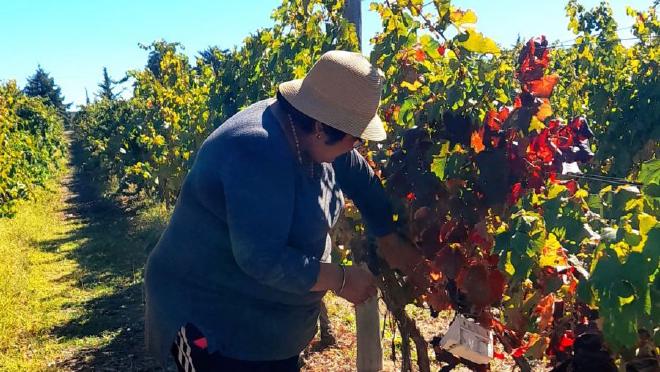
Monitoring of Ceratitis capitata within the framework of the Wine Grape Protocol corresponding to the 2025–2026 season was concluded in the towns of Casa de Piedra and 25 de Mayo, in La Pampa.
During this period, the Provincial Authority of the Colorado River, together with the National Service for Agrifood Health and Quality (SENASA) and the Patagonian Zoosanitary Barrier Foundation (FUNBAPA), carried out systematic control work based on the installation and monitoring of traps at various points in the irrigated area.
These actions ensured the phytosanitary conditions required for the transport of wine grapes to other provinces, in compliance with current regulations. Monitoring extended from the end of October until the end of the harvest, accompanying each stage of the production process. The presence of the Mediterranean fruit fly (Ceratitis capitata) in some urban areas of Patagonia constituted, for many years, a phytosanitary barrier to the international trade of fruit, thus preventing access to new markets and the expansion and diversification of crops.
The export of fresh fruit and bilateral agreements signed with several countries required complex and costly quarantine treatments for apple and pear shipments, such as fumigation with methyl bromide or cold treatments in transit, which could only be carried out on USDA-approved vessels, resulting in increased freight costs.
In the current international context, with increasingly demanding and restrictive markets, and competitors who are constantly working to circumvent these restrictions, it is essential to consolidate the Fruit Fly Program in order to maintain the phytosanitary status achieved. In 2018, the book “Evaluation of the Economic Impact of the National Fruit Fly Control and Eradication Program (Procem Patagonia)” was published. Its conclusions detail the importance of having a fruit fly-free area for Patagonia.
Expected benefits -the Provincial Agency News stated- include increased and diversified regional fruit and vegetable production and exports, thereby boosting the area’s socioeconomic development; and the enhancement of fruit and vegetable production, allowing access to new markets by leveraging the pest-free status.
“The commitment continues: we are still working to guarantee the health and quality of regional wine production,” stated the authorities of the Provincial Entity of the Colorado River.