La Pampa: Bacteridian anthrax: preventive measures reinforced and reminder of the importance of vaccination
·2 mins·
Notaspampeanas
La Pampa
Zoonoses
Provincial Board of Zoonoses
Bacteridian Anthrax
Toay
Anthrax
Author
Notaspampeanas
Digging on curiosity and science.
Table of Contents
Table of Contents
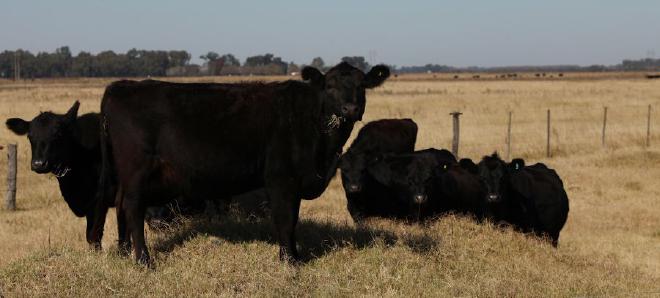
The La Pampa’s Provincial Board of Zoonoses reported that in view of the confirmation by SENASA of a case of anthrax registered on March 28 in a rural establishment in Toay, health surveillance actions have been reinforced, while recalling the importance of annual vaccination of susceptible animals.
Anthrax is a serious zoonotic disease that mainly affects domestic ruminants such as cattle and sheep, and can be transmitted to people through contact with sick or dead animals. Suspected disease, both in animals and humans, is notifiable.
It is caused by the bacterium Bacillus anthracis, whose spores can remain in the environment for many years, which makes it essential to maintain preventive measures continuously. In animals it usually manifests as sudden death, with the presence of uncoagulated blood from the natural orifices.
In people, the disease can present in different clinical forms depending on the route of entry: cutaneous (the most frequent), digestive or respiratory, some of them being potentially serious.It was recalled that there is no vaccine for humans, so prevention in the productive field is essential. In this sense, the annual vaccination of animals is a strategic, effective and low-cost tool to prevent the appearance of cases.
Do not handle dead animals with suspected disease.
Do not perform necropsies.
Do not perform necropsies.
Do not feed dogs or other animals with the remains of suspicious animals.
Do not burn the corpses, as this favors the dissemination of spores.
Carry out the final disposal of the corpses according to the indications of SENASA.
Early detection and immediate notification of suspected cases allow for the timely implementation of control actions, protecting animal health, public health and agricultural production.
For any notice, contact the nearest SENASA office (in person or by phone),Whatsapp: 1157005704; e-mail: notificaciones@senasa.gob.ar, through the Notify Senasa Form available on SENASA’s website.