


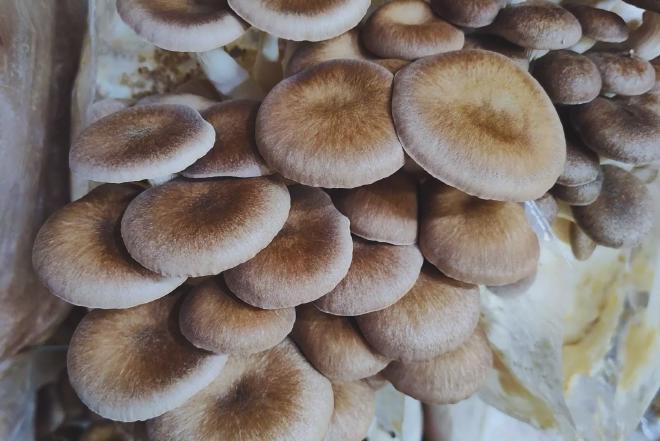
Specialists from INTA’s Institute of Food Technology (ITA) took an important step in agri-food innovation: they developed a process that, from edible mushrooms, makes it possible to obtain functional foods fortified with vitamin D2. This vitamin is one of the two main forms of vitamin D found in plant sources, especially mushrooms, and like vitamin D₃ (of animal origin), it helps maintain bone health and immune system function.
According to María de los Ángeles Rey, a CONICET postdoctoral fellow at INTA, “the process consists of applying UV-B light on edible mushrooms – such as mushrooms – and thus taking advantage of a natural property of these organisms.” “We know that the exposure of fungi to light at this wavelength promotes the conversion of a precursor, naturally present in the membrane of fungal cells, into vitamin D2” she added.
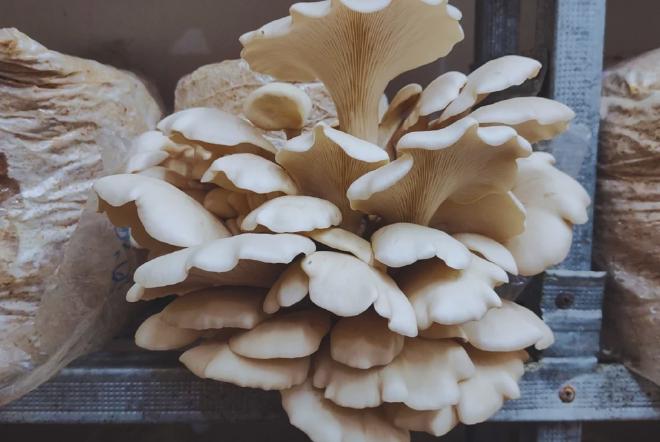
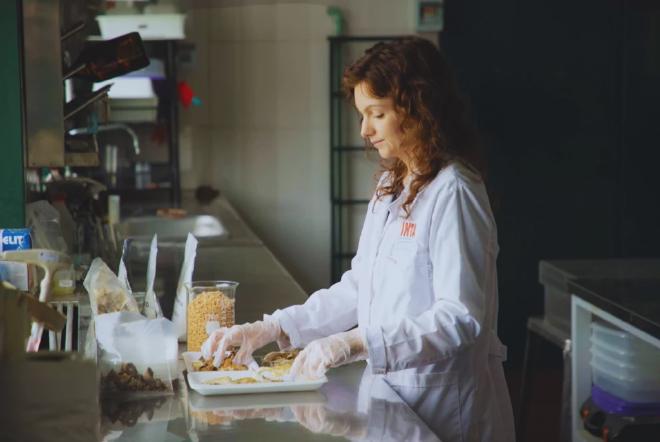
The trials demonstrated a significant increase in vitamin D2 content after irradiation. “We tested different doses of UV-B light to get the highest possible concentration of vitamin in the final product. We then use these mushrooms as a base ingredient to make other foods, in this case, vegetable medallions with an improved nutritional profile,” explained the researcher.
Fortification is achieved by a physical method—controlled exposure to UV-B light—followed by drying of the fungi. “This effect could also be achieved with traditional solar drying in the sun, but the lamps allow us to work in controlled conditions and ensure the standardization of the process,” Rey said.
“In regions where solar radiation is limited, such as in some areas of Patagonia, and there is a prevalence of vitamin D deficiency in the population, being able to offer locally fortified foods can have a very important nutritional and social impact,” she added.
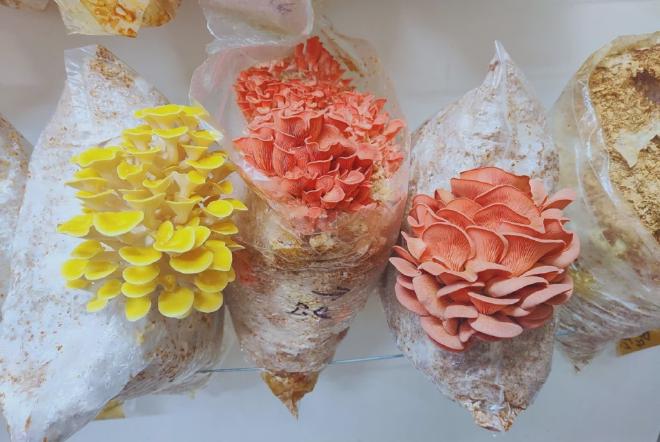
The breakthrough not only opens up opportunities for the food industry, but also for the country’s mushroom growers. “It is an easily scalable process. In other countries it is already used as a preliminary step to the packaging and distribution of the product. In Argentina, this technology is not yet legislated for application in edible mushrooms, but generating knowledge about the effect of this processing on local commercial strains will lay the foundations so that, in the future, producers can incorporate this technology and give greater added value to their mushrooms,” explained the ITA specialist.
The INTA team is working in collaboration with a research group from Tierra del Fuego in the development of an irradiation device with UV-B light adapted to the conditions and needs of producers in this province. “The aim is to offer an accessible tool that allows this type of fortification to be implemented on a small scale, close to the place of production,” Rey said.
Mushrooms, a new trend in healthy eating #
Beyond the technological aspect, this development is part of a global trend towards healthy and sustainable food. Edible mushrooms, with a protein content of up to 35% on a dry basis, high fibre, low lipid content and an excellent sensory profile, are positioned as an ideal alternative in vegetarian, vegan and flexitarian diets.
“Fungi are an extraordinary matrix. In addition to its nutritional value, it is possible to generate vitamin D2 through a simple and safe process. If we take into account how they are produced, it is a double contribution: to consumer welfare and to the sustainability of the food system,” Rey said.
What people said #
In addition, in a sensory test with 127 consumers, the mushroom-based medallion formulation obtained a high acceptance, especially in taste and texture. “Consumers valued that it is a healthy product, without ingredients of animal origin, innovative and with good sensory characteristics. That shows us that there is a real demand for this type of food,” Rey pointed.
INTA did it again #
With this development, INTA once again demonstrates its ability to connect science, innovation and territory. In the words of the specialist: “Our goal is for knowledge to reach both producers and consumers. Fortification with UV-B light not only adds value to this type of food, but can also generate a positive impact on public health, helping to address the growing lack of vitamin D in the population.”
Contact [Notaspampeanas](mailto: notaspampeanas@gmail.com)