


  1. Posts/

Anthrax in La Pampa: preventive measures are reinforced and the importance of vaccination is reiterated.

·2 mins·
Notaspampeanas
La Pampa Anthrax Vaccination Zoonosis Cattle
Notaspampeanas
Author
Notaspampeanas
Digging on curiosity and science.
Table of Contents

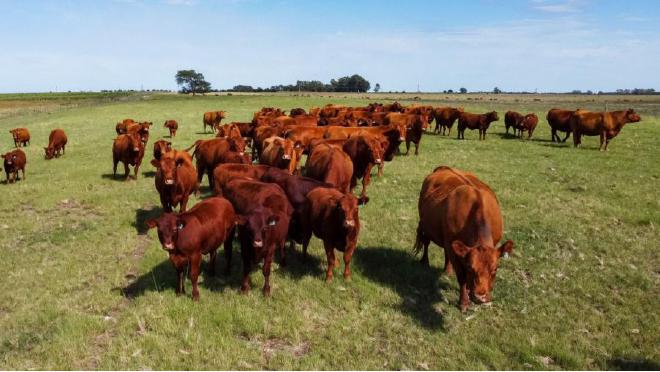
The La Pampa’s Ministry of Production, through the Provincial Zoonosis Board, reported that, following confirmation by SENASA of two cases of anthrax registered on December 22 and 23 in rural establishments in Alpachiri and Quehué, sanitary surveillance actions were reinforced, while the importance of annual vaccination of susceptible animals is recalled.

Bacterial anthrax is a serious zoonotic disease that primarily affects domestic ruminants, such as cattle and sheep, and can be transmitted to humans through contact with sick or dead animals. In animals, it usually manifests as sudden death, with the presence of unclotted blood from natural orifices.

The disease is caused by the bacterium Bacillus anthracis, whose spores can remain in the environment for long periods, which makes it indispensable to maintain preventive measures over time.
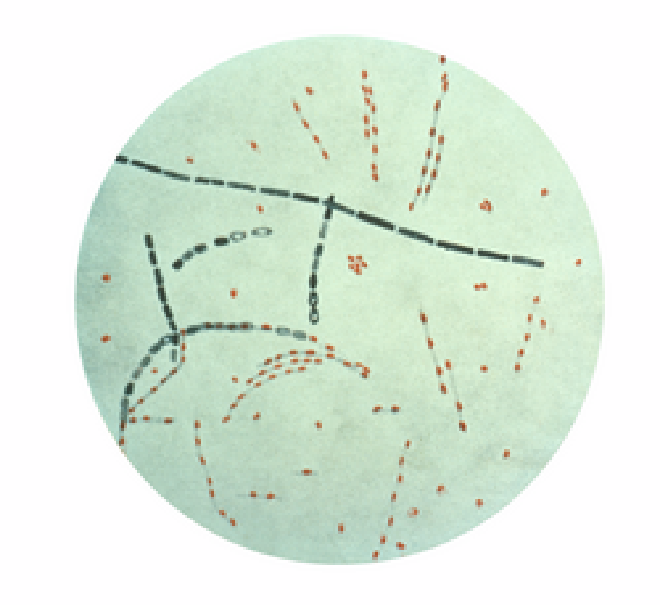
Photomicrograph of Bacillus anthracis from an agar culture demonstrating spores; Fuchsin-methylene blue spore stain. Image credit: CDC-MarcoTolo

“The Provincial Zoonosis Board highlights that animal vaccination constitutes a strategic, effective, and low-cost tool, and that there is no vaccine for humans, which is why prevention in the productive sphere is fundamental,” Laura Martínez, the Deputy Director of Animal Production and Zoonosis, emphasized to the Provincial News Agency.

Producers and rural workers were reminded that dead animals should not be handled, nor hides removed, nor dogs or other animals fed with products derived from animals showing signs of illness, nor should carcasses be burned, and that their final disposal must be carried out in accordance with SENASA’s instructions. Finally, Martínez emphasized that the early detection and immediate notification of suspected cases “allow for the timely implementation of control actions and protect animal and human health, as well as agricultural production.”

More information
#


Contact [Notaspampeanas](mailto: notaspampeanas@gmail.com)


Related

La Pampa: Comprehensive activities to raise awareness about Diabetes
·4 mins
Notaspampeanas
La Pampa World Diabetes Day
Why some volcanoes don’t explode
·5 mins
Notaspampeanas
Volcanoes ETH Zurich
Theia and Earth Were Neighbors
·6 mins
Notaspampeanas
Planetary Science Geochemistry
La Pampa: Prevention of Child Labour: day of awareness and debate
·2 mins
Notaspampeanas
La Pampa Prevention of Child Labour Labor Relations
September is Healthy Aging Month
·3 mins
Notaspampeanas
September Healthy Aging Month National Institutes of Health
La Pampa:'Impulse Future' scholarships: final registrations are open
·2 mins
Notaspampeanas
La Pampa Education Impulso Future Scholarships Students